

A Beginner’s Guide to Cooking Halal Mutton: Tips and Tricks
For beginners, cooking halal Mutton might seem hard, but with the right help, it can be a fun and satisfying journey in the kitchen. Halal mutton, which is cooked according to Islamic dietary rules, has a lot of flavour and can be used in a lot of different recipes. This guide will teach you everything you need to know to cook halal mutton so the products are always tender, flavourful, and true to the recipe.
How to Understand Halal Mutton
What does Halal Mutton mean?
Halal mutton is meat from a sheep that was killed according to Islamic rules about food. The word “halal” means “allowed,” and meat must meet certain requirements, such as being killed in a certain way and a prayer being said over it.
Why Halal Certification Is Important
Halal approval makes sure that the mutton follows the rules for eating that are set by Islamic law. It’s a very strict process that includes thinking about the animals’ well-being and how they will be killed. People who buy certified halal mutton can be sure that the meat is legal and cooked properly.
Meat: Halal vs. non-halal
The main difference between halal and non-halal meat is how the animals are killed. A sharp knife is used to make a quick, deep cut in the throat of an animal to get halal meat. This causes the animal as little pain as possible. The butcher has to say a prayer too. Non-halal meat, on the other hand, doesn’t follow these exact rules.
How to Choose the Right Mutton Cut
Different Parts of Lamb
To choose the right cut of mutton for your dish, you need to know about the different types. The shoulder, leg, loin, and ribs are all common cuts. Each has its own taste and feel, making it good for different recipes.
The best cuts for different dishes
- Shoulder: Because it has a lot of flavour and connective muscle, it’s great for slow cooking and stews.
- Leg: Tender and lean meat that is great for roasting and cooking.
- Loin: For chops and quick cooking, this cut is best because it stays soft and juicy.
- Ribs are great for grilling because they have the right amount of meat and fat.

How to Pick Out Fresh Lamb
When choosing fresh meat, it should be bright red, have a firm texture, and not smell too strong. The fat should be white, not yellow, which means it’s fresh. To be sure of quality, always buy from sites you can trust.
Getting Mutton Ready to Eat
To get rid of any remaining blood and other toxins, it is important to clean and prepare properly. Rinse the meat well under cold water and cut off any extra fat. Use paper towels to dry the food off before marinating or cooking it.
How to Marinate: Tips and Tricks
Marinating meat makes it taste better and makes it more tender. Spices like garlic, ginger, cumin, and coriander should be mixed with yoghurt, lemon juice, or vinegar as a base. Let it sit for at least four hours, or better yet, overnight.
Important Ingredients and Spices
A lot of different spices are often used in halal mutton recipes. Garlic, ginger, cumin, coriander, turmeric, cinnamon, and cloves are some of the most important nutrients. Fresh herbs, like mint and parsley, also make foods taste better.

Tips on How to Cook Halal Mutton
- Cooking slowly
When you cook harder cuts of mutton slowly, the meat gets tender and flavourful. Slow cook or use a pot with a heavy bottom to cook the meat on low heat for a few hours.
- Grilling and smoking meat
Grilling and barbecuing are great ways to cook soft cuts like chops and ribs. Heat up the grill, marinate the meat, and cook it on medium-high heat until it’s done the way you like it.
- Making a Broth and Stewing
When you braise or boil meat, you cook it in liquid at a low temperature. When you use shoulder cuts in this way, you can make hearty, warm meals like stews and curries.
Halal mutton dishes from the past
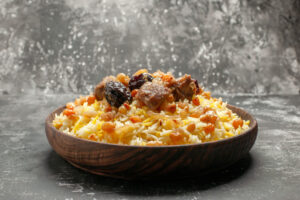
Biryani with lamb
Mutton Biryani is a traditional South Asian food made with spiced mutton, fragrant rice, and herbs that smell good. It’s a fun dish that’s often served at parties.
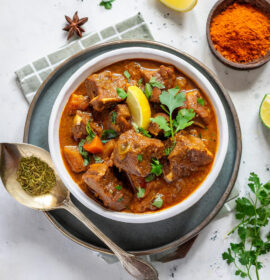
Rogan Josh
Rogan Josh is a tasty Kashmiri meal made with soft lamb cooked in a thick, spiced yoghurt sauce. People love this dish because it is deep red and tastes strong.
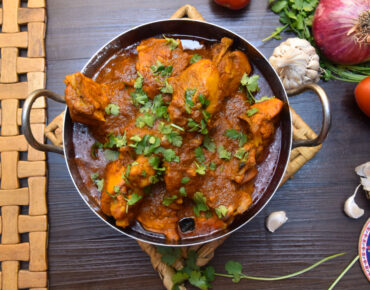
Mutton and Curry
Mutton curry is a mainstay in many countries. There are different ways to make it, but it usually involves simmering mutton with a mix of spices, tomatoes, and onions until the meat is soft.
Halal mutton recipes with a modern twist
- Ideas for Fusion Food
Make fusion meals with mutton, like mutton tacos, mutton burgers, or mutton stir-fry. With these new recipes, you can make traditional mutton meals in a new way.
- Other ways to cook that are healthier
To cut down on fat, choose healthy ways to cook, like grilling, steaming, or baking. Don’t use too many heavy creams and oils, and stick to lean cuts.
- Mistakes People Make to Avoid Overcooking and Undercooking
Don’t cook mutton too long, or it will be tough. Also, don’t cook it too short, or it will be chewy. Use a meat thermometer to make sure the meat is the right temperature inside.
- Not the Right Seasoning
Don’t cook mutton too long, or it will be tough. Also, don’t cook it too short, or it will be chewy. Use a meat thermometer to make sure the meat is the right temperature inside.
- Best Side Dishes to Serve with Halal Mutton
Serve mutton with rice pilaf, naan bread, or roasted veggies as a side dish. These sides go well with the meat’s rich flavours.
- Pairings of Drinks
Mint lemonade, yoghurt lassi, or spiced tea are all non-alcoholic drinks that go well with halal mutton recipes and make the meal more enjoyable.
How to Store Things Correctly
Meat that has been cooked can be kept in the fridge for up to three days in containers that don’t let air in. To keep the meat for longer, freeze it and make sure it’s well-wrapped to avoid freezer burn.

Heating Up Without Losing Taste
You can keep the tenderness and taste of the mutton by reheating it slowly over low heat. Don’t use a microwave because it can make the meat tough.

Halal mutton's protein content is good for you
Mutton is a great way to get high-quality protein, which is needed to build and fix muscles. It gives the body all the necessary amino acids it needs.

Important Minerals and Vitamins
Halal mutton has a lot of iron, zinc, selenium, vitamins B12 and B6, and other minerals that help the body do many things, like making red blood cells and keeping the immune system healthy.
In conclusion
If you follow the right tips and tricks, cooking halal meat can be a fun and satisfying experience. You can make authentic and delicious halal mutton dishes that will please your family and friends if you learn about the different cuts, how to cook them, and try out different recipes.
Questions People Ask Often
Discover More
Call for Delivery
020-3340-8753How can I tell if the lamb is halal?
Check the package to see if it says "halal" or ask the butcher to confirm. If meat is certified halal, it means it follows the rules for eating in Islam.
Can I make halal lamb in a kitchen that isn't halal?
To keep halal foods from getting on non-halal foods, it's best to use different cooking tools and utensils. This makes sure that the kosher meat stays clean.
What spices must be used in halal pork dishes?
Cumin, cilantro, turmeric, cinnamon, and cloves are all common spices. It tastes better with fresh herbs like mint and parsley.
How long should I let the meat sit?
Let the lamb marinate for at least four hours, or better yet, overnight. When you marinate meat for longer, the tastes can really get into the meat.
How should I cook tough cuts of meat the best?
For tough cuts, slow cooking, braising, or stewing are the best ways to break down the connective tissues and make the meat soft and flavourful.
If I cook meat, can I freeze it?
Meat that has been cooked can be frozen. It can be kept for up to three months if it is well wrapped to avoid freezer burn.
